How to Write a Thank-You Letter to Your Host
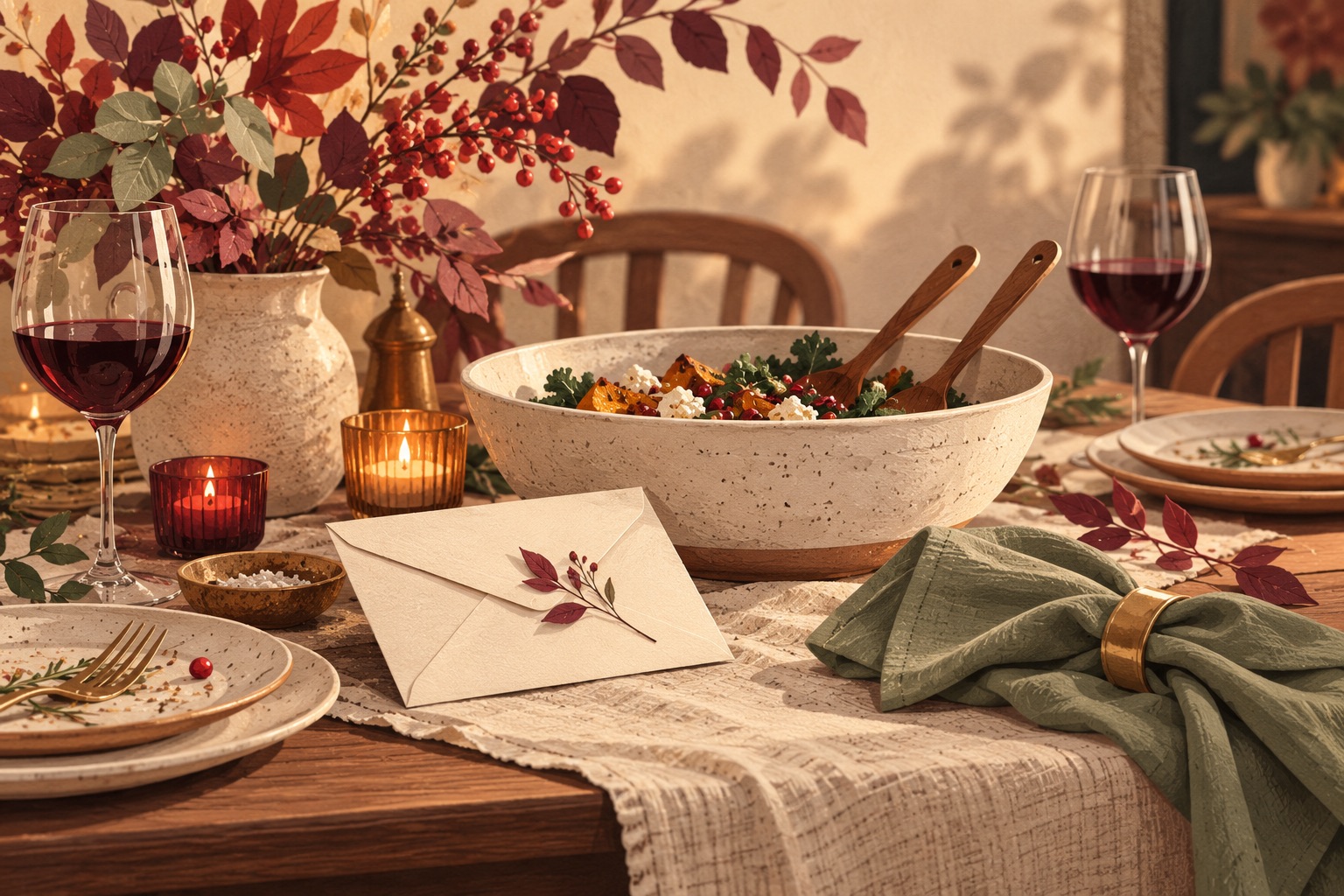
Thank your host by naming what they welcomed you into, noticing one thoughtful detail, and explaining what you appreciated. A few sincere sentences can work after dinner. An overnight stay may give you more to mention, but neither situation requires a formal speech.
This guide covers personal hospitality: meals, weekends with friends and stays with relatives. It offers practical wording rather than a universal etiquette rule. Adapt the tone to your relationship and the customs you share. Every example below is fictional.
The three details that make the note specific
- The occasion: “Thank you for having us for dinner on Saturday.”
- The care you noticed: a welcoming conversation, a comfortable room, food you enjoyed, or help navigating an unfamiliar place.
- The effect: you felt included, rested, comfortable or glad to spend time together.
You do not need to praise every course or every room. Pick something true. A modest observation is better than claiming it was the best meal or most wonderful weekend of your life when that is not how you would normally speak.
After dinner with friends
Thank you for having us over on Saturday. I loved being able to sit around the table and catch up without rushing anywhere. It was thoughtful of you to make something everyone could share, and I especially enjoyed hearing about your garden plans. We had such a comfortable evening with you.
This version focuses on the experience as well as the meal. If several people hosted, name them together or acknowledge the person whose work you noticed without assuming who did the cooking.
After an overnight stay
Thank you for making room for me this weekend. Having somewhere comfortable to return to after the long days made the visit much easier. I appreciated the breakfast you left ready and the time you took to show me the bus route. I know having a guest changes the household routine, and I am grateful for your welcome.
Choose details your host actually provided. You can acknowledge their effort without treating yourself as an unbearable burden. If there is a practical matter to settle, such as reimbursing an agreed expense, handle it clearly rather than substituting gratitude for payment.
After a holiday gathering
Thank you for bringing everyone together. I know there was work behind the meal and the space you made for us. My favourite part was hearing everyone's stories after we had finished eating. I am glad we had that time together, and I appreciated feeling included.
You can mention a shared tradition if it felt meaningful. Avoid assuming every guest celebrates the occasion in the same way. A note about the actual welcome is useful even when the gathering was informal or different from what you expected.
If the visit had awkward moments
A thank-you note does not have to declare the whole experience perfect. You can thank someone for a specific kindness without commenting on every disagreement. “Thank you for making up the room and welcoming us” can be honest even if the visit was complicated.
If something needs addressing, separate that conversation from the note of thanks. Hiding criticism inside compliments can make both messages unclear. For example, avoid “Thanks for dinner, though next time please remember what I can eat.” A direct discussion about future arrangements is easier to understand.
When you are writing late
Send the thanks you meant to send rather than writing a long apology about the delay. A simple opening is enough:
This note is later than I intended, but I still wanted to thank you for welcoming us last month. I keep remembering our morning walk and how much we enjoyed talking with you.
Then continue with the actual appreciation. The host should not have to reassure you for most of the message.
Choose a closing you mean
- “It was lovely to spend time with you.”
- “Thank you again for making us feel welcome.”
- “I would enjoy catching up again when it suits us both.”
- “With love and thanks,” for a relationship where that feels natural.
Only offer to host next time if you want to and can realistically do so. You do not need to create a matching obligation or attach a gift to make the note valid. For more help making a plain sentence personal, use our writing workshop.
Frequently asked questions
Can I thank a host by text?
Yes, a thoughtful text can suit a casual relationship. A card or letter may feel right for a longer stay or a host who enjoys keepsakes. Choose the format that fits the people involved.
Do I need to send a gift with the note?
Not as a requirement of this writing exercise. If you choose a gift, consider the host's preferences and your own budget. The words should stand on their own.
Should a couple send one note or two?
A shared note is fine when it reflects both people's thanks. Use “we” only if you are writing on behalf of everyone named, and add both names at the end.
Write the occasion, one detail and one sentence of appreciation first. You can then put the message in a card, email or our letter editor.
Inspired to write?
Put these ideas into practice. Write a heartfelt letter to someone you care about — right now.
Write a Letter